Think Google Translate Is Enough? Here’s What You’re Missing
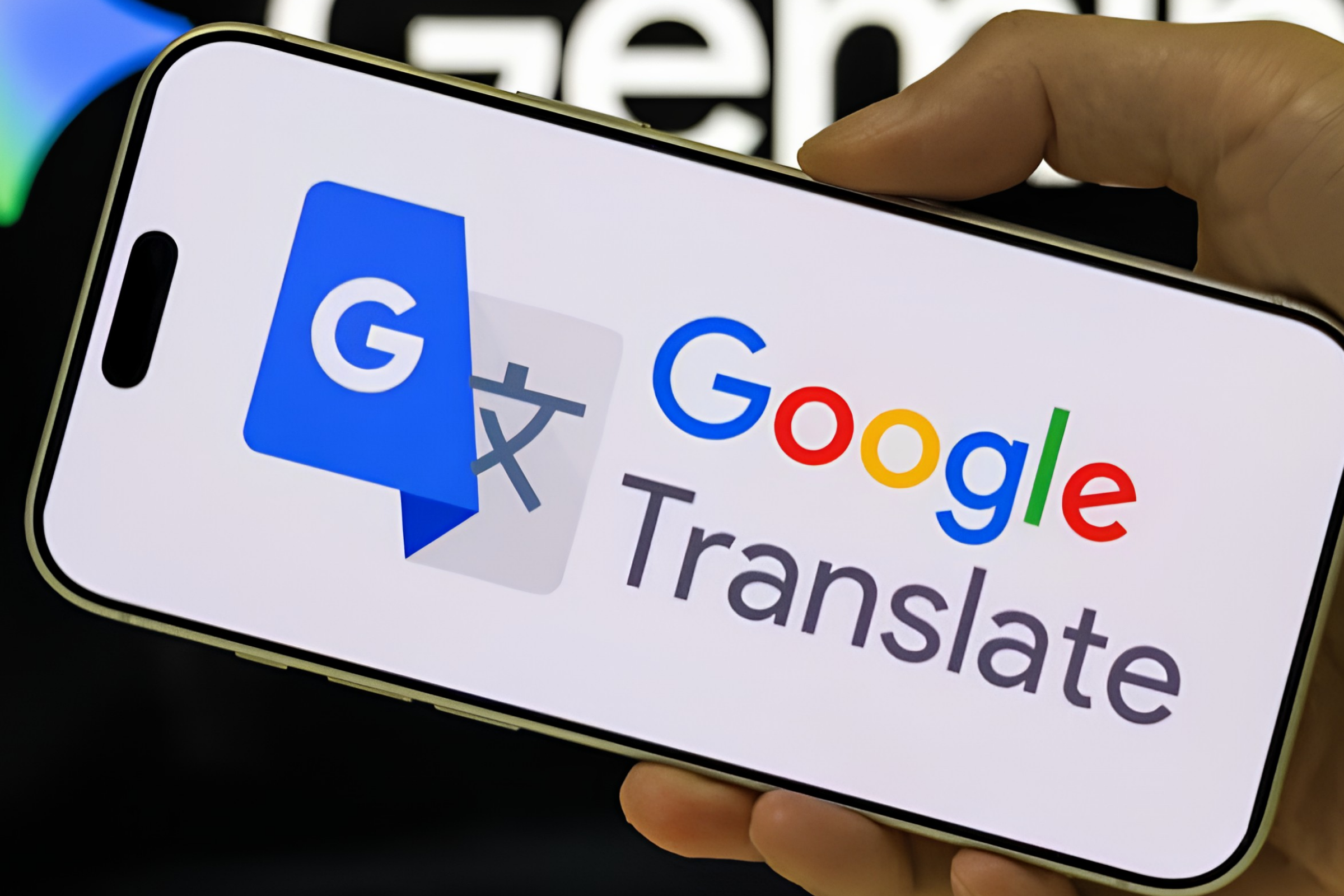
If you are expanding your business into global markets, using a quick translation tool can feel like the easiest solution. Tools like Google Translate are fast, convenient, and widely used.
But here is the reality. Translation alone is not enough to help your content succeed internationally. If you rely only on automated translation, you could be losing visibility, weakening engagement, and missing valuable conversions.
Let’s take a closer look at what might be missing from your multilingual content strategy.
Translation vs Localisation
Translation converts words from one language into another. Localisation adapts your message so it feels natural and relevant to a specific audience. This includes tone, cultural context, and user expectations.
For example, a phrase that works well in English might sound unnatural or unclear when translated directly into another language.
Localisation ensures your content feels authentic rather than translated. It helps your audience connect with your message in a meaningful way.
Search Visibility Challenges
One of the biggest issues with relying on Google Translate is its impact on SEO. Search engines rank content based on what people actually search for, not direct translations. A keyword in English may not translate into the phrase users type into search engines in another language.
For instance, someone searching for sweaters in English might use a completely different phrase structure in another language. If your content does not match that, it may not appear in search results. This can lead to lower rankings, reduced traffic, and missed opportunities.
Content That Does Not Convert
Even if users find your page, the quality of your content plays a key role in whether they stay or take action. Poorly translated content can feel awkward or unnatural. This affects how users perceive your brand. People are more likely to trust and engage with content that feels local and familiar.
If your content feels generic or disconnected, it creates distance. If it feels natural and tailored, it builds confidence and encourages conversions.
Cultural Context Matters
Every market has its own preferences, behaviours, and expectations. Automated tools cannot fully capture these cultural details.
Elements like colours, phrases, humour, and calls to action can carry different meanings in different regions. Without proper localisation, your content may not resonate or may even send the wrong message.
Your Brand Voice Can Get Lost
Your tone of voice is part of what makes your brand unique. Whether your style is professional, warm, or premium, it should remain consistent across all languages.
Automated translations often sound flat or inconsistent. This can weaken your brand identity and reduce the impact of your messaging. Maintaining a consistent tone helps build recognition and trust across markets.
Technical SEO Still Matters
Translating your content is only one part of the process. Your website also needs the right technical structure. This includes clear URL structures, correct hreflang tags, and localised metadata.
Without these elements, search engines may struggle to understand your content and rank it correctly in different regions.
A Smarter Approach to Multilingual Content
The goal is not to avoid tools like Google Translate. Instead, it is about using them as part of a broader strategy. A strong multilingual approach combines technology with human insight.
This includes:
Using AI tools for speed and efficiency
Applying human editing for accuracy and tone
Conducting local keyword research
Adapting content for cultural relevance
This ensures your content is both accurate and effective.
What This Means for Your Business
If you want to grow in international markets, your content needs to do more than exist in multiple languages. It needs to connect with your audience, perform in search engines, and drive meaningful results. Translation is just the starting point. Localisation and strategy are what make the difference.
Ready to Improve Your Multilingual Content?
If you have been relying on basic translation tools, this is a great time to take the next step.
At Content Quality UK, we help businesses create multilingual content that is built for real results. From localisation and SEO to content strategy and optimisation, we ensure your content connects with the right audience in every market.
Get in touch today and let’s turn your multilingual content into a powerful driver of growth.
